
Healthy Meal Prep Ideas for the Week: A Complete Guide
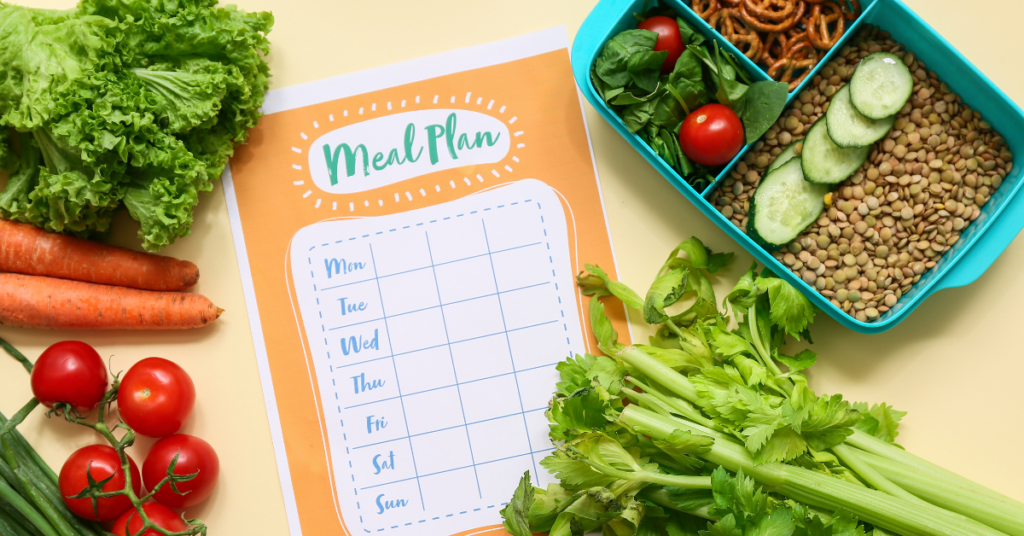
Balancing your studies, assignments, and the activities in your home life leaves no time for preparing fresh meals every day. However, it’s important to note that your diet has an influence on your ability to concentrate and work effectively. And how to cope with it? You’ll need to implement a weekly meal prep routine, adopted by nutritionists and sportsmen currently practiced by millions of students and families around the world.
This guide will provide you with effective tips for healthy and affordable weekly meal prep suitable for Pakistani students and their families.
Why Weekly Meal Prep Is a Game-Changer for Students and Families
As the 2023 survey by the International Food Information Council reports, those who do weekly meal prep have a 28% higher intake of vegetables and save a lot of money compared to those who don’t follow it. Moreover, the meal prep practice is especially useful for students living in hostels or dining in dhabas, where food quality cannot always be guaranteed.
The weekly meal prep system will allow you to:
Save 3-5 hours on preparing meals per day;
Minimize food waste thanks to planned portions;
Control the ingredients, using only the needed amount of oils, salts, and other additives;
Have a stable level of energy throughout the week
Getting Started: The 3-Step Meal Prep Framework
Step 1 — Plan Your Weekly Menu
Before you start cooking anything, take 15 to 20 minutes to plan your meals for five to seven days ahead. Select dishes that have common ingredients to reduce wastage. Boiled chickpeas can be used in salads on Monday, curries on Wednesday, and wraps on Friday.
Sample framework of planning:
Breakfast – 2 items that rotate
Lunch – 2 main items (grain-based) that rotate
Dinner – 1 item each of protein, vegetable, and staple (rice, roti, or pasta)
Snacks – Portions of nuts, fruit, or yogurt
Step 2 — Prep in Batches, Not All at Once
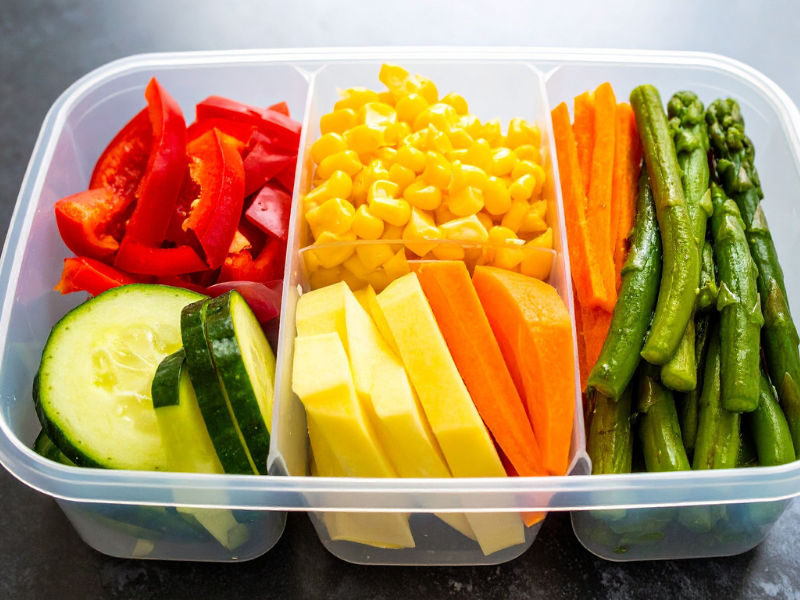
A common beginner’s blunder is attempting to do everything at once. Rather than doing that, follow a tiered method:
Sunday (60-90 minutes): Cook grains (rice, oats), boil eggs, chop vegetables, cook one protein
Wednesday (30-40 minutes): Update vegetables, cook another protein, prepare food for Friday
This ensures your ingredients stay fresh while avoiding the repetition that leads to failure.
Step 3 — Store Smart
Storage makes all the difference between having a healthy week and wasting all of your time. Use airtight containers made of either glass or BPA-free plastic. Label everything with the day you prepared the food. As a general guideline:
Cooked grains: 4-5 days in the fridge
Cooked proteins: 3-4 days in the fridge
5 Healthy Meal Prep Ideas for the Week (Pakistan-Friendly)
1. Masoor Daal Power Bowl
Red lentils have the highest protein content and are one of the easiest foods to prepare available in Pakistan. One serving of red lentils provides you with approximately 18 grams of protein and 15 grams of fiber—all without spending much on supplements.
2. Egg Muffin Cups (High-Protein Breakfast)
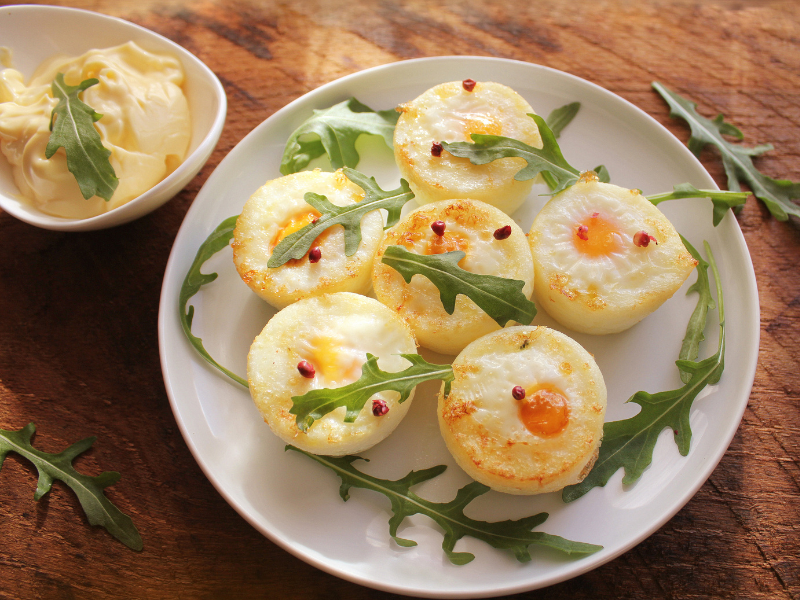
Each egg provides an impressive 6 grams of protein with all essential vitamins of group B and choline, which is vital for brain health and memory.
3. Chicken and Vegetable Stir-Fry Base
Lean protein like chicken breasts helps with muscle repair and brain function. Seasoned with fresh capsicum, carrot, and cabbage, you will have a versatile meal base suitable for wraps, noodle bowls, and rice meals.
4. Overnight Oats with Local Fruit
Oats are a slow-digesting complex carbohydrate that stabilizes blood sugar—essential for sustained focus during long study sessions. A 2022 study published in the Journal of Nutrition found that students who ate a fiber-rich breakfast showed 12% better attention scores in morning classes compared to those who skipped breakfast.
5. Chickpea and Spinach Curry (Chana Palak)
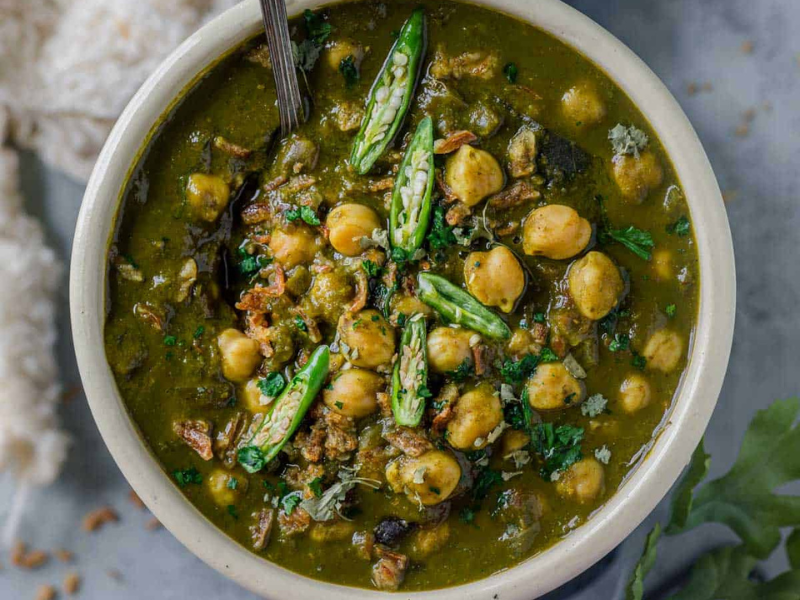
Iron-deficiency anemia is one of the most common reasons for fatigue and poor academic achievements among young South Asians. The following combo will provide iron, folic acid, and plant protein.
Common Meal Prep Mistakes to Avoid
Despite having the best intentions, newbies find themselves undermining their progress. The most frequent mistakes made by beginners are listed below:
Making things more complicated than necessary—You do not have to make dishes with 15 ingredients. Nutritious foods are always better than complex dishes that are too complicated to prepare throughout the week.
Neglecting the taste fatigue factor—It is not easy to stick to one type of dish over several days. You should consider incorporating at least two protein sources into your weekly menu and vary your spices.
Lack of understanding portion sizes—Having a ready supply of nutritious foods does not mean anything. You should develop skills in assessing your caloric intake, considering activity levels and age. To learn more about the process, visit our website.
Neglecting vegetables – People prepare a lot of protein and grains, but few think about vegetables. You can spend up to 10 minutes preparing fresh, roasted, or steamed vegetables.
Frequently Asked Questions
Question 1: Up to what extent can I store my meal-prepared food?
The majority of cooked food is safe for consumption for 3-5 days at room temperature or in the fridge. Meat proteins need to be consumed in the course of 3-4 days, while grains and legumes can be stored in airtight containers for up to 5 days. Longer-term storage requires freezing.
Question 2: Is meal prepping feasible for hostel students?
Indeed. Ingredients required for meal prep—overnight oats, hard-boiled eggs, pre-cut fruits, and soaked daal—do not require special equipment. One can use a mini fridge, one cooking pot, and a microwave to keep a healthy weekly menu.
Question 3: Which healthy foods are affordable for Pakistani meal prepping?
Among the most affordable and nutritious ingredients, one can name masoor daal, chana, eggs, oats, brown rice, seasonal vegetables, and plain yogurt that one can easily find in Pakistan. A smart choice of weekly meal menu can cost only PKR 300-500 per day.
Question 4: Is meal prepping feasible without the ability to cook?
Sure. Initially one can start with zero-cooking foods like overnight oats, fruits with yogurt, or salad greens with canned chickpeas and gradually include one-pot dishes.
Q5: How should I prevent meal-prepped foods from becoming soggy or stale?
Separate wet foods like sauces, dressings, and curries from dry foods such as grains and raw vegetables. Use paper towels in vegetable containers to reduce moisture. Heat the meal according to your needs; only heat the amount you want to eat.
Q6: Is meal prepping helpful in losing weight?
Many studies prove that those who cook their meals at home eat fewer calories, saturated fats, and other harmful chemicals while consuming more nutritious foods. It helps control weight without restricting food intake; instead, it promotes informed food choices and portion management.
Q7: What kind of containers can be used for weekly meal preps in Pakistan?
Try using airtight glass containers from Bormioli Rocco or its competitors available in the major cities of Pakistan. Food-grade and BPA-free plastic containers may also work well, but avoid heating your food in thin plastic containers.
Conclusion: Build a Habit That Transforms Your Health
Healthy meal prep isn’t about being perfect. It’s about making conscious choices before hunger and convenience make bad choices for you. For students and families all over Pakistan juggling busy schedules, meal prep is one of the biggest bangs for your buck when it comes to time well spent.
Begin small. Choose two or three of the meal ideas above. Set aside an hour this Sunday to prepare them. Take two weeks and see if your energy, focus, and food spending change. The results will speak for themselves.”
With food prices rising and academic pressure increasing, being able to fuel your body and mind efficiently will become an increasingly valuable life skill. Those who develop this habit now will reap the rewards of it long after they leave school—in careers, families, and lifelong health.